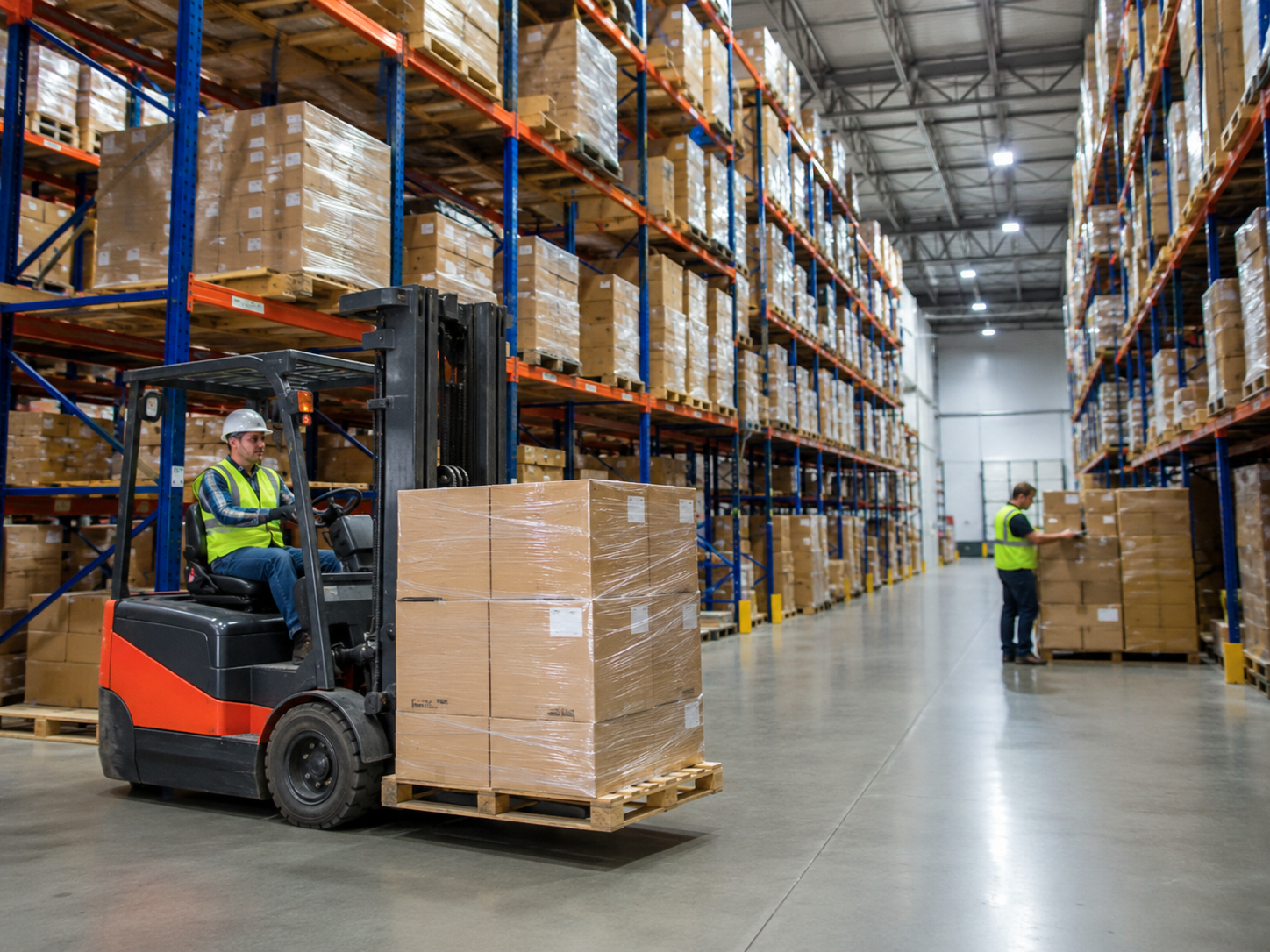
Packaging compliance has become one of the most important operational challenges facing paint and coatings manufacturers today. As environmental regulations evolve, transportation requirements become more complex, and sustainability expectations continue increasing, packaging decisions are no longer driven solely by cost or container availability.
Manufacturers throughout the paint and coatings industry must now balance product protection, hazardous material compliance, transportation safety, sustainability goals, and supply chain reliability often under tightening regulatory oversight.
From VOC-related environmental initiatives to hazardous material transportation requirements, packaging regulations are reshaping how industrial coatings, paints, solvents, adhesives, and specialty chemical products are packaged, transported, and stored.
At the same time, manufacturers are under growing pressure to improve operational efficiency while reducing environmental impact and maintaining supply continuity.
As a result, packaging has become far more strategic than it was historically. The materials, containers, and packaging systems companies choose now directly influence compliance performance, operational risk, sustainability initiatives, and long-term supply chain resilience.
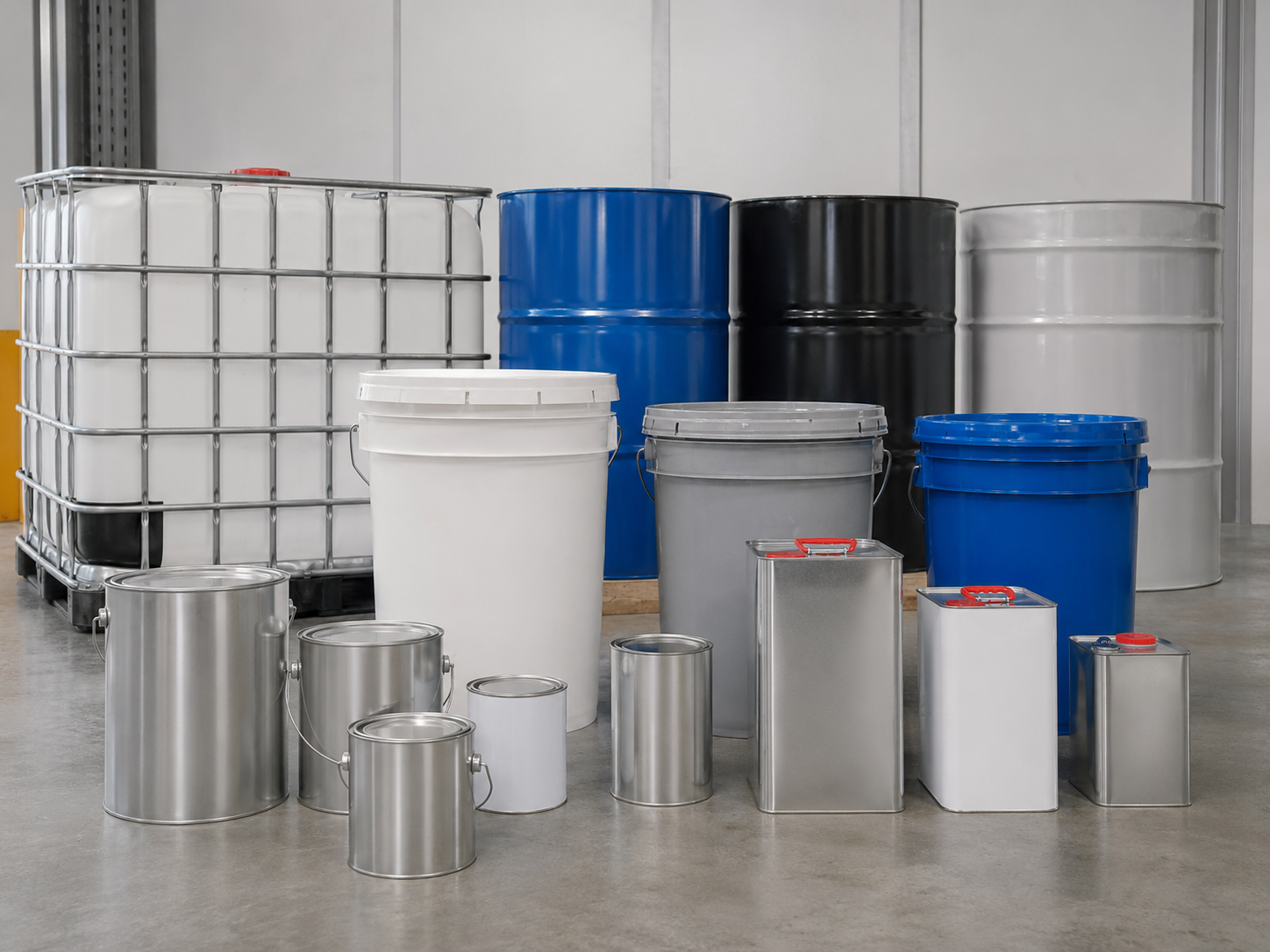
For Novvia Group, this shift reflects why packaging guidance has to be both product-specific and compliance-aware. Through its network of specialized packaging companies, Novvia supports manufacturers with access to paint cans, coating and solvent cans, pails, bulk containers, closures, dispensing accessories, and hazmat packaging solutions that can be matched to formulation, fill line, distribution, and regulatory needs.
The paint and coatings industry presents unique packaging challenges because many products involve:
Packaging failures in these environments can create serious operational, environmental, and safety risks.
Improper packaging may contribute to:
Because many coatings and industrial paint products fall under hazardous materials regulations, manufacturers must ensure packaging systems meet strict transportation, storage, labeling, and performance standards.
Packaging decisions, therefore, extend far beyond aesthetics or container cost. They directly affect operational continuity, transportation compliance, environmental risk management, and customer safety.
Manufacturers operating in industrial coatings and specialty chemical markets increasingly require packaging systems designed specifically for demanding industrial applications. Paint & Coating Packaging Solutions
Packaging regulations impacting the paint industry continue evolving across environmental, transportation, and sustainability categories.
While exact requirements vary depending on product type and geographic region, several major regulatory areas are driving packaging changes throughout the industry.
Many paints, coatings, solvents, and related products are classified as hazardous materials during transportation.
This subjects packaging systems to transportation standards established by agencies such as:
These regulations often govern:
Manufacturers shipping hazardous coatings products must ensure packaging systems meet applicable transportation requirements throughout the supply chain.
Environmental initiatives are increasingly influencing packaging material selection across industrial sectors.
Regulatory pressure related to:
Many manufacturers are reevaluating packaging materials to align with broader sustainability commitments while maintaining operational performance and compliance standards.
Certain coatings and solvent-based products require packaging systems capable of safely containing volatile or chemically sensitive formulations.
Packaging materials must often support:
As formulations evolve in response to environmental standards and VOC regulations, packaging systems may also require adjustment to maintain performance and compatibility.
Regulatory changes are having a direct impact on how manufacturers evaluate packaging materials across the paint and coatings industry.
Historically, packaging decisions may have focused primarily on:
Today, manufacturers must also evaluate:
This has increased interest in packaging materials that combine operational durability with strong environmental performance.
Metal paint cans and industrial metal containers continue playing a major role across the coatings industry because they provide:
Metal containers also perform well in industrial handling environments where products may experience:
For many industrial paint and coatings applications, metal packaging remains one of the most dependable solutions for maintaining product integrity while supporting transportation and compliance requirements.
Plastic packaging also remains widely used throughout the coatings industry, particularly for certain water-based products and applications requiring lighter-weight packaging.
Manufacturers often evaluate plastic packaging based on:
However, compatibility and permeability considerations remain especially important for chemically sensitive products.
Regulatory and sustainability pressure has also increased industry focus on:
Sustainability initiatives are now influencing nearly every area of packaging strategy.
Manufacturers increasingly seek packaging solutions that support:
This shift has renewed interest in highly recyclable packaging materials, including aluminum and steel packaging systems.
Metal packaging’s ability to be recycled repeatedly without significant material degradation continues to make it attractive for manufacturers seeking long-term sustainability performance.

Despite the emergence of newer packaging technologies and materials, metal paint cans remain widely used throughout the coatings industry for several important reasons.
Paint and coatings products are often stored, transported, and handled in demanding industrial conditions.
Metal containers provide strong resistance to:
This helps reduce leakage risk and improves overall supply chain reliability.
Many coatings formulations require strong barrier protection against:
Metal packaging helps preserve product consistency and shelf stability throughout transportation and storage.
Many industrial coatings products require packaging capable of meeting hazardous materials transportation standards.
Metal containers continue to serve as dependable solutions for:
Manufacturers operating in industrial chemical markets frequently require packaging systems designed to support both compliance performance and operational durability. Industrial Chemical Packaging Solutions
Metal packaging also aligns well with many sustainability initiatives because steel and aluminum remain highly recyclable materials with established recovery infrastructure.
As manufacturers continue improving environmental performance, recyclable packaging materials are becoming increasingly important in long-term packaging strategies.
Packaging regulations impact far more than container design. They also affect day-to-day operational and supply chain management decisions.
Manufacturers today must consider how compliance requirements influence:
For example, hazardous materials packaging requirements may affect:
As regulations evolve, supply chain coordination becomes increasingly important.
Manufacturers often benefit from packaging partners capable of supporting:
This operational support can help reduce disruptions while improving packaging continuity across facilities and geographic markets.
Sustainability legislation and environmental initiatives are accelerating packaging innovation across industrial markets.
Many organizations are now evaluating packaging through the lens of:
This shift is driving increased demand for packaging materials that combine:
Metal packaging continues gaining attention in many markets because aluminum and steel can be recycled repeatedly while maintaining material integrity.
At the same time, manufacturers are increasingly exploring:
Sustainability considerations are no longer isolated environmental discussions. They are becoming integrated directly into procurement, operations, and supply chain strategy.
As packaging regulations become more complex, manufacturers increasingly require packaging partners capable of supporting both operational and compliance objectives.
Novvia Group brings together packaging expertise across manufacturing, distribution, sourcing, regulatory support, and technical product guidance. That breadth allows paint and coatings manufacturers to think beyond a single container order and evaluate packaging as part of a larger compliance, inventory, and supply chain strategy.
Packaging providers should understand the operational and compliance requirements affecting industrial coatings and chemical markets.
Different coating formulations may require specialized packaging materials, linings, or closure systems.
Reliable packaging availability has become increasingly important as supply chain disruptions continue affecting industrial markets.
Regional inventory and logistics coordination can help reduce lead times while improving operational flexibility.
Manufacturers increasingly seek partners that can help evaluate recyclable materials, sustainability initiatives, and evolving environmental requirements.
Experienced packaging providers can help manufacturers evaluate:

The paint and coatings industry is entering a period where packaging strategy is becoming closely tied to operational performance, sustainability initiatives, and supply chain resilience.
Manufacturers are no longer simply selecting containers based on cost alone. They are increasingly evaluating packaging systems based on:
As regulations continue evolving, manufacturers that proactively modernize packaging strategies may be better positioned to improve supply continuity, reduce operational disruptions, and support long-term environmental initiatives.
Packaging partners with expertise in industrial packaging, hazardous materials requirements, inventory management, and regional logistics coordination can help manufacturers navigate these increasingly complex challenges.
Novvia Group’s network of specialized packaging companies supports paint, coatings, industrial chemical, and manufacturing customers with packaging expertise, HAZPlus testing, and self-certification capabilities designed to address evolving operational, regulatory, and supply chain requirements.
Manufacturers evaluating compliant, durable, and sustainable packaging solutions for coatings and industrial applications can request a quote through Novvia Group to explore packaging strategies tailored to their operational needs.